
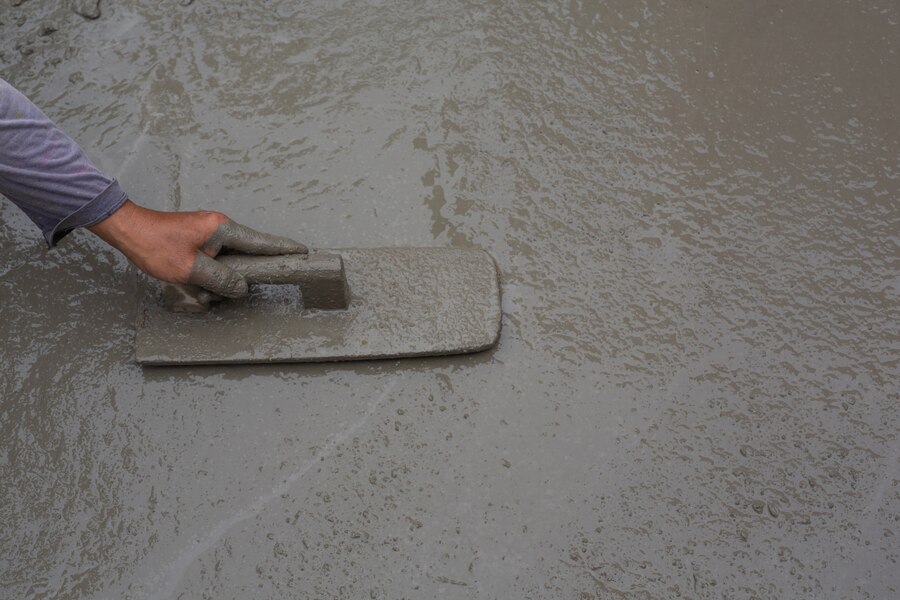
Start your summer maintenance by thoroughly inspecting all your concrete surfaces. Look for:
Even hairline cracks can allow water to seep in. During colder seasons, this water may freeze and expand, worsening the damage. By identifying issues early in the summer, you have time to seal or repair them before they grow.
Tip: Use a flashlight during inspection to spot hard-to-see surface flaws, especially in shaded areas or beneath parked vehicles.
Dirt, oil stains, and mildew not only make concrete look bad but can also degrade its surface. Summer is a great time to clean up:
Note: Be sure to clean all joints and expansion lines, where dirt and weeds often settle. Steer clear of acidic cleaners, as they can wear down the surface of the concrete. Instead, choose pH-neutral or alkaline-based cleaners to ensure safe and effective cleaning.
Concrete sealing is one of the most effective summer maintenance tasks. A good quality sealer can:
Depending on your region in Canada and the concrete’s exposure (e.g., driveway vs. covered patio), sealing should be done every 2–3 years. For high-traffic areas or places with harsh winters, sealing every 12–18 months may be ideal.
Here’s how to apply:
Step 1: Wait for a dry, non-humid day with temperatures between 10°C to 30°C.
Step 2: Clean and dry the surface.
Step 3: Use a roller or sprayer to apply the sealer in a smooth, even layer.
Step 4: Let it cure undisturbed for 24–48 hours.
Sounds strange? It’s not. On extremely hot days, concrete may dry too fast, which can cause the surface to shrink and develop cracks. If you’ve recently poured a slab or resurfaced an area, keeping it moist for a few days will help it cure evenly. Even older concrete can benefit from occasional light watering during extended dry spells, especially if it’s exposed to direct sunlight all day.
Tip: Don’t overwater or flood the area. A light mist or gentle hose spray for a few minutes is enough.
Summer means home renovations, landscaping projects, or parking extra vehicles—often on your concrete surfaces. But not all slabs are designed to hold excessive weight.
Heavy machinery, moving vans, or even consistent use of very heavy trucks can:
Best Practice: If heavy equipment needs to park or operate on concrete, place plywood sheets underneath to help distribute weight evenly.
Poor water drainage can damage even the best-poured concrete. In summer, thunderstorms and sprinkler overuse can lead to water collecting around the foundation or pooling on patios and driveways. Ensure:
Note: Trapped water under or near concrete can erode the sub-base, leading to cracks or sinking later.
Direct sun, spilled drinks, and summer activities can lead to patchy or stained concrete. Common causes include:
To prevent this:
DIY tip: A mixture of dish soap and hydrogen peroxide can help remove organic stains effectively.
If your concrete is structurally sound but looks old or faded, resurfacing is a great summer project. Concrete resurfacing:
Remember: Resurfacing requires surface preparation and dry conditions for 48–72 hours, so plan ahead.
Summer offers the best opportunity to prepare your concrete for the colder months ahead. Don’t wait until autumn:
Concrete might look tough, but it needs regular summer maintenance to stay that way. From sealing cracks early to managing drainage and cleaning away surface buildup, small steps today can prevent costly repairs in the future. Summer offers the ideal weather to inspect, clean, and protect your concrete surfaces before Canada’s harsher seasons return.
Need high-quality concrete for your next repair or resurfacing project? Speedy Concrete supplies a wide range of reliable concrete mixes, including standard mix, self-consolidating concrete, rapid-setting, and flowable fill, suited for everything from small patches to major projects. You can even use our Ready Mix Concrete Calculator to estimate exactly what you need.